
Quick answer: Texas runs its own power grid, managed by a nonprofit called ERCOT, largely so it can dodge federal regulation. (Very on-brand for Texas.) And because state lawmakers deregulated the retail electricity market in 1999, with competition starting in 2002, about 85% of Texans get to choose which company sells them their electricity. Those two facts, an independent grid and a competitive market, explain almost everything about energy in Texas, including the whole AI data center circus.
Key takeaways
- Texas keeps an independent grid, run by ERCOT, mainly to avoid federal regulation.
- Senate Bill 7 (1999) deregulated retail electricity, and competition began in 2002.
- About 85% of Texans can choose their Retail Electric Provider. Municipal-utility and cooperative customers usually cannot.
- This competitive, independent system is exactly why data centers flock to Texas, and why your protections as a customer matter.
Why does Texas have its own power grid?
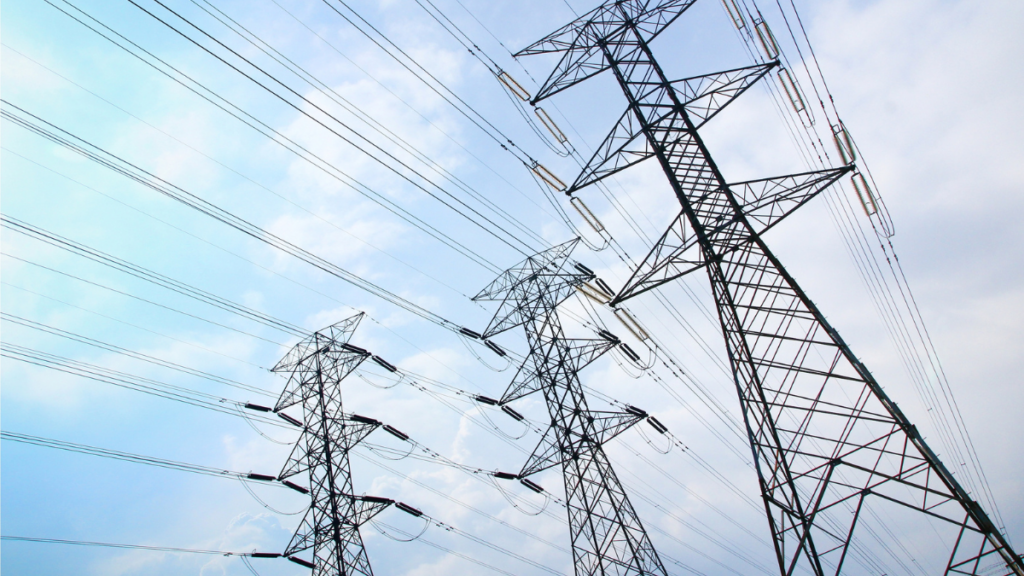
Most of the country runs on two giant interconnected grids, the Eastern and the Western. Texas looked at both and said “no thanks.” The state deliberately kept its grid inside its own borders to avoid falling under the 1935 Federal Power Act, which handed the federal government authority over electricity sold across state lines. Stay inside Texas, stay out of Washington’s reach. If that isn’t the most Texas thing you’ve read all week, keep reading.
In 1970, after a big 1965 blackout up in the Northeast made everyone take grid reliability seriously, Texas utilities formed the Electric Reliability Council of Texas, or ERCOT. It still runs the grid today, still mostly outside federal jurisdiction. The catch to all that independence showed up in February 2021: when the grid nearly collapsed in the freeze, Texas couldn’t just borrow a big pile of power from its neighbors, because it built itself an island on purpose.
For most of the 20th century, one local utility did everything in your area. It made the power, owned the wires, and mailed you a bill you couldn’t argue. One company, no competition, take it or leave it.
What did deregulation actually change?
Texas started dismantling that in the 1990s. Lawmakers deregulated wholesale power generation in 1995, then passed Senate Bill 7 in 1999 to crack open the retail side. Starting January 1, 2002, most Texans could pick their own retail electricity provider for the first time. That is the exact moment the competitive market Pogo lives in was born. (Hi. It’s us. We’re the competition.)
Who does what in the Texas energy system?
Three different players split the job, and once you know them, your bill suddenly makes a lot more sense.
- Retail Electric Providers (REPs) are the companies that compete to sell you a plan and send your bill. Pogo Energy is one. More than 100 REPs operate in Texas, which is a lot of logos fighting for your attention.
- Transmission and Distribution Utilities (TDUs), also called wires companies, own the poles and lines, deliver the electricity, and fix outages, no matter which REP you pick. You don’t get to choose your TDU, and when the power blinks, it’s their trucks rolling out, not ours.
- ERCOT runs the grid itself, balancing supply and demand across the state second by second, forever, with no coffee break.
Can every Texan choose their electricity provider?
Not quite. Roughly 85% of Texans can, specifically folks in areas served by investor-owned utilities, which covers most of the big metros like Houston, Dallas-Fort Worth, and the Rio Grande Valley. If your city runs its own municipal utility (looking at you, Austin and San Antonio) or you’re on an electric cooperative, you generally can’t shop around. The state’s official comparison site, Power to Choose, lists what’s available where competition exists.
Why does this history matter for the data center debate?
Because deregulation is the stage the entire data center show performs on. Texas has its own grid and a fast, business-friendly hookup process, so the power-hungry giants come running. The retail market is competitive, so everyday customers have choices and protections that people in monopoly states can only dream about. And ERCOT runs independently, so the rules for wrangling these enormous new users get written in Texas, for Texas. Hold that thought, because the next three posts are where it gets spicy.
Frequently asked questions
Texas opened much of its retail electricity market to competition on January 1, 2002. If your home is in an area with electric choice, you can compare providers and select a plan based on its pricing, payment options, and contract terms. Your local utility continues delivering electricity, regardless of which retail provider you choose. Electric choice is not available at every Texas address.
Your Retail Electric Provider, or REP, sells you electricity and handles your plan, account, payments, and customer service. Pogo Energy is a REP. Your power delivery company, called a Transmission and Distribution Utility or TDU, maintains the poles and wires and restores power after outages. In areas with electric choice, you can change your provider, but your address determines your delivery utility.
To shop for an electric company in Texas, first check whether your address is in an area with electric choice. Then compare available plans using your expected electricity usage. Review each plan’s Electricity Facts Label and terms for pricing, fees, contract length, and cancellation charges. Also compare payment options and any deposit requirements. Once you find a plan that fits, enroll with the provider and choose your service start date. Pogo Energy offers prepaid electricity with no security deposit, no credit check, and no long-term contract. You add money before using electricity and receive daily updates on usage and balance.
Determining if you live in a city that is deregulated depends on the utility serving your exact address. Some Texas communities offer a choice of retail electricity providers, while others receive service from a city-owned utility or electric cooperative that does not participate in retail choice. Check your new address before selecting a plan; the city name alone may not establish eligibility. Pogo Energy’s enrollment process lets you check availability at your address and review your rate before signing up.