
Short answer: yes. But how much depends on your habits. ENERGY STAR-certified smart thermostats save about 8% on heating and cooling costs, roughly $50 a year, for the average home. In Texas, where air conditioning does most of the work, the savings often land on the higher end. Here’s how those savings actually happen, what a thermostat costs, and whether one will pay off for your home.

How Much can a Smart Thermostat Really Save?
The most reliable figure comes from ENERGY STAR, which certifies thermostats using real-world data from thousands of homes: about 8% of heating and cooling costs, or around $50 a year on average. Manufacturers report more. Google’s Nest is EPA-verified in the 10–12% range on HVAC costs. Ecobee has cited savings north of 20% for some households. Bigger numbers usually apply to people who previously left a manual thermostat running around the clock. If you already adjust your thermostat carefully by hand, your savings will be smaller. If you tend to “set it and forget it,” you have the most to gain.

How do Smart Thermostats Save Energy?
They cut waste you don’t notice. Most models learn your schedule (or let you set one) so the AC isn’t blasting an empty house. They may use your phone’s location to ease off when everyone leaves and cool the house before you’re back. They offer “eco” or “away” modes that nudge the temperature a few degrees when it won’t be missed. You also get remote control from your phone and monthly energy reports that show exactly when you’re using the most power. This tends to change behavior all on its own.
Why Smart Thermostats Matter more in Texas
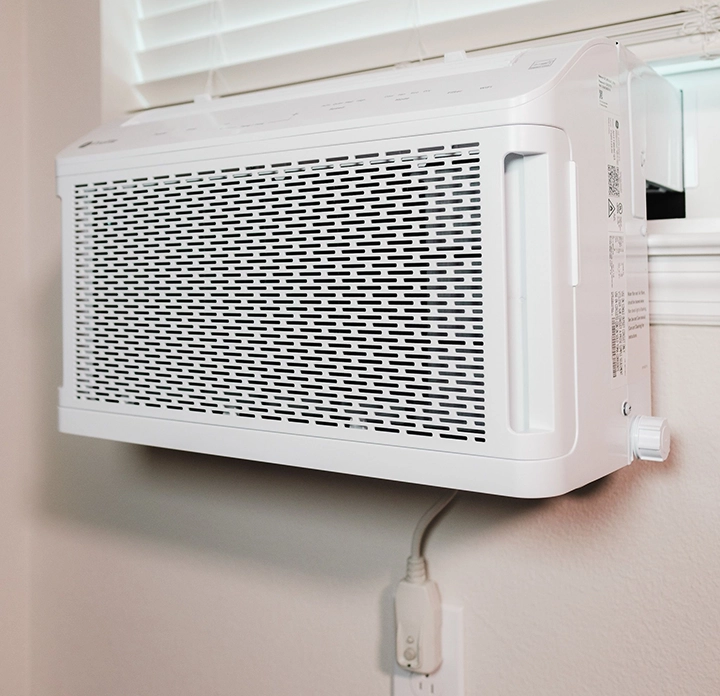
Heating and cooling is the largest chunk of a typical home’s energy use. In Texas that chunk is dominated by cooling. Our long, brutal summers mean the AC runs for months. Even a small percentage cut on a big cooling bill turns into real dollars. A thermostat that pre-cools before the peak afternoon heat, backs off while you’re at work, and holds the house steady overnight is working hardest at exactly the times Texas electricity demand (and often prices) are highest.

What does a Smart Thermostats Cost, and when does it Pay Off?
Prices range from about $60 for a basic Wi-Fi model to around $250 for a top-tier Nest or ecobee. At average savings of roughly $50–$190 a year depending on the model and your home, most units pay for themselves in about one to three years, and cheaper models can pay back in under a year. After that, the savings are yours to keep. Installation is usually a DIY job for anyone comfortable turning off a breaker and matching a few labeled wires, though homes without a “C-wire” (a common wire that supplies steady power) may need a simple adapter, which many thermostats include in the box.
Can you Earn Extra Savings in Texas?
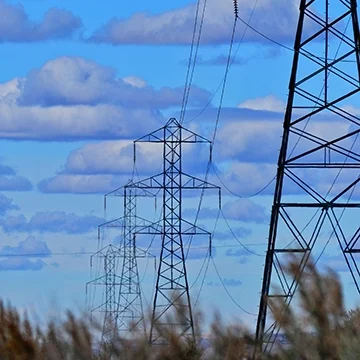
Possibly. Some Texas utilities and retail providers run demand-response or “bring your own thermostat” programs that pay you (often a sign-up bonus plus seasonal credits) in exchange for letting them nudge your AC up a couple of degrees for short periods during peak grid demand. You stay in control and can opt out of any individual event. It’s worth checking whether your provider or local utility (such as Oncor or CenterPoint) offers one, because it stacks on top of the everyday efficiency savings. Availability and payment amounts vary, so confirm the current terms directly with the program before you count on them.

Who Saves the Most (and who might not)?
You’ll see the biggest gains if you have a busy or irregular schedule, tend to leave the AC running while you’re out, or currently use an old manual dial thermostat. You’ll see less if your home is already tightly managed, someone is usually home, or your HVAC system is very small. Either way, the comfort and convenience (never walking into a sweltering house again) are part of the value even when the dollar savings are modest.
So, does a smart thermostat save you money? For most Texas homes, yes. The best results come from automating the cooling you’d otherwise forget about. Pair it with a plan that lets you watch your usage day by day, and you’ll actually see those savings show up.
Frequently Asked Questions
A: Savings are about 8% of heating and cooling costs, or roughly $50 a year on average, according to ENERGY STAR. Homes that previously ran a manual thermostat constantly often save more ~10% or higher.
A: Yes. Texas home energy use is dominated by air conditioning. Smart features like scheduling, geofencing, and pre-cooling target the exact usage that drives summer bills. Savings in Texas often land on the higher end.
A: For most homes, smart thermostats are not hard to install; it’s a DIY job of turning off the breaker and matching labeled wires. Homes without a C-wire may need an inexpensive adapter, which many thermostats include in the box.
A: It depends on your habits more than the brand. Nest is EPA-verified at around 10–12% on HVAC costs, and ecobee has cited over 20% for some homes. Your real savings hinge on how you used your old thermostat.
A: Your dollar savings will be smaller since you’re already avoiding waste, but you still get remote control, scheduling, energy reports, and eligibility for utility demand-response programs that can pay you.