
Key Takeaways
- Home windows have a lifespan that varies by material, typically ranging from 20-50 years.
- Consider replacing your home windows if they show signs of age, damage, or reduced energy efficiency.
- Signs like drafts, condensation, and high energy bills indicate it’s time to replace them.
- Regular maintenance, including cleaning and inspections, can prolong the life of your home windows.
- Monitor these factors to maintain energy efficiency and decide when to replace your home windows.
Most people don’t realize that home windows have a shelf life and need to be replaced to remain energy efficient. How often you should replace your home windows depends on several factors, including the type and quality of your windows and the environmental conditions they face. However, a general guideline can help you decide whether to replace your windows.
The Average Lifespan of Popular Window Styles
Vinyl Windows: 20-30 years
Wood Windows: 20-40 years (with proper maintenance)
Aluminum Windows: 20-30 years
Fiberglass Windows: 30-50 years
Factors that Influence When You Should Replace Your Windows
Age: If your windows are approaching or have surpassed their average lifespan, consider replacing them.
Damage: Nothing lasts forever. If you notice cracks, warping, or broken seals, your home’s windows may need to be replaced.
Energy Efficiency and High Electric Bills: Older windows may not be as energy-efficient as newer models. Your original windows could be driving up your energy bills.
Functionality: Do your windows function the way that they should? If you have difficulty opening or closing windows, or if you notice drafts or condensation between panes, it is time to shop around for replacements.
Aesthetics: A remodel or even a new coat of paint can be all the reason you need to replace your windows. When you give your home a facelift, updating and upgrading your windows adds a polished final touch.
Signs It’s Time to Replace Your Home Windows
Drafts: Feeling drafts near your windows suggests poor insulation.
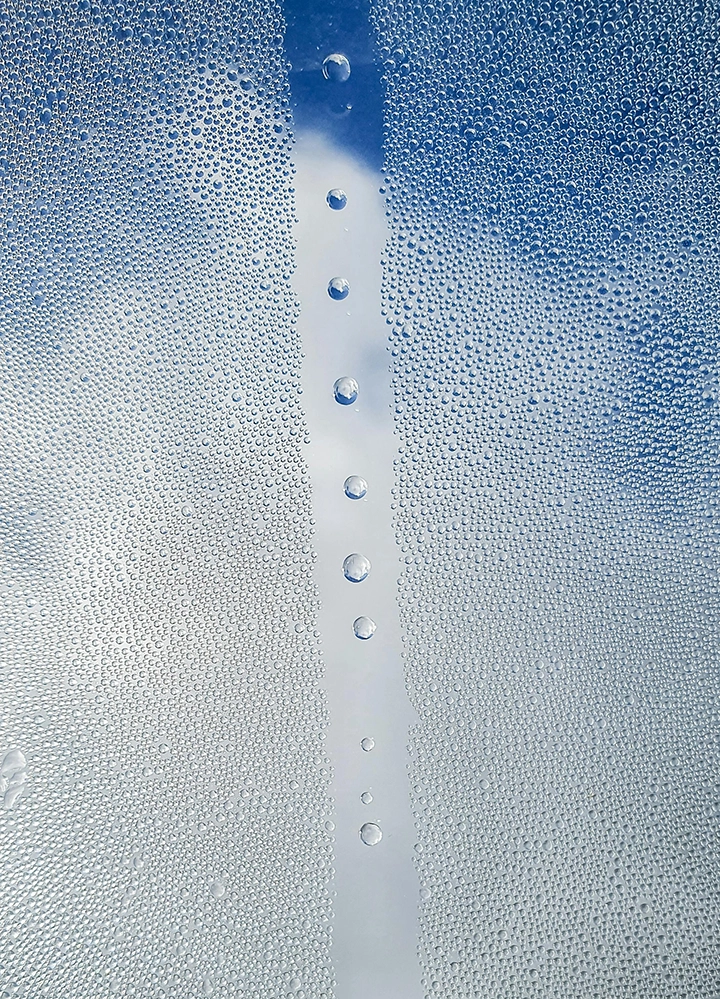
Condensation: Persistent condensation between glass panes indicates failed seals, which can increase the humidity in your home.
Noise: Increased outside noise may indicate that windows are losing their insulating properties.
Rot and Decay: Visible signs of rot in wooden frames or rust in metal frames indicate that the material is deteriorating and requires replacement.
High Energy Bills: Inefficient windows can result in a noticeable increase in heating and cooling costs. If your electric bill is rising more than your neighbor’s year after year, month after month, it may be time to take a long, hard look at your windows and ensure they are energy-efficient.
Window Maintenance Tips
The good news is that you can take steps to prolong your windows’ life.
Regular Cleaning: Keep windows clean to prevent dirt and debris from building up.
Inspections: Periodically check for signs of wear and damage to identify issues and address them before they become problems.
Weatherproofing: Ensure seals and weather stripping are intact to prevent drafts. Over time, seals and weather stripping can wear down, peel off, and become less effective. At the first sign of a potential problem, take the necessary steps to correct it.
Repairs: Address minor issues promptly to avoid more extensive damage. When it comes to your home and its windows, time matters. Minor issues can quickly escalate into significant problems that incur substantial costs. To save you money and headaches, pay close attention to your home’s energy-efficient features.
Monitoring these factors and signs can help you maintain an energy-efficient home and better determine the optimal time to replace your home windows.
Frequently asked questions about home windows
How long do home windows typically last?
The lifespan of home windows varies by material, ranging from 20 to 50 years. Vinyl and aluminum windows generally last 20 to 30 years, wood windows 20 to 40 years with proper maintenance, and fiberglass windows 30 to 50 years.
What are the most common signs that it is time to replace my windows?
Key signs include drafts near the window, persistent condensation between glass panes, increased outside noise, visible rot or rust in the frames, and rising heating and cooling costs.
Can old windows really affect my energy bills?
Yes, older or inefficient windows can noticeably increase heating and cooling costs. If your energy bills are consistently climbing compared to your neighbors, your windows may be losing their insulating properties.
What does condensation between window panes mean?
Condensation between panes indicates that the window seal has failed. A broken seal reduces the window’s insulating ability and clearly signals that you need to replace it.
Should I repair or replace drafty windows?
Minor drafts can sometimes be resolved by replacing weatherstripping or resealing around the frame. However, if structural damage, rot, or widespread seal failure is causing the draft, full window replacement is the better long-term solution.
How can I extend the life of my current windows?
Regular cleaning, periodic inspections for wear and damage, maintaining intact seals and weatherstripping, and promptly addressing minor repairs can all help prolong your windows’ life.
Does replacing windows improve a home’s energy efficiency?
Yes, upgrading to newer, energy-efficient windows can reduce heating and cooling costs and help keep your home more comfortable and energy-efficient.