
Key Takeaways
- A roof leak can significantly increase your electric bill due to damaged insulation and increased HVAC workload.
- Wet insulation loses effectiveness, making temperature control harder and causing higher energy consumption.
- Excess moisture from a roof leak raises indoor humidity, leading homeowners to lower thermostats, which increases costs.
- Signs of a roof leak include rising energy costs, water stains, musty odors, and damp insulation.
- Addressing roof leaks early prevents further damage and energy waste, ensuring your home remains efficient.
Texas has weather that is unpredictable and can catch residents off guard. One minute we are in a drought with water restrictions that cause our lawns to dry up and flowers to bake, the next minute the forecast calls for nonstop rain, thunderstorms, and hail. Unfortunately, during these downpours, we notice roof leaks. A roof leak might seem like a simple maintenance issue, but it can quietly drive up your electric bill over time. Many homeowners focus on the visible damage from water, such as stained ceilings or peeling paint, and miss the impact a leak can have on a home’s heating and cooling efficiency.
At Pogo Energy, we know that hidden home problems often first appear as higher-than-expected energy costs. If your electric bill has increased and you cannot figure out why, a roof leak could be part of the problem.
How a Roof Leak Affects Energy Use
When water enters your home through the roof, it does more than damage shingles and drywall. It can also interfere with the parts of your home that help regulate indoor temperature.
1. Wet Insulation Stops Working Properly
Insulation is designed to slow down heat transfer. When it gets wet, it loses much of its effectiveness. That means your home may struggle to stay cool in the summer and warm in the winter.
As your insulation becomes less efficient, your HVAC system has to run longer and more often to keep your home at a comfortable temperature. That extra runtime will lead to a noticeable increase in your electricity usage, which will also increase your costs.
2. Your Air Conditioner Has to Work Harder
If a roof leak creates moisture in the attic, it can make it harder to control temperatures in that space. Wet insulation, trapped humidity, and reduced airflow can all accelerate heat buildup.
When the attic temperature rises, your AC unit needs to work harder to remove heat from the rest of your home. The result is increased energy consumption, increased wear on your system, and potentially higher AC repair costs later.
3. Moisture Increases Indoor Humidity
A roof leak can add excess moisture to the air inside your home, especially if the leak goes unnoticed for a while. Higher humidity can increase electric bills by making things feel warmer than they really are. In the battle to keep cool in the summer, Texas residents lower the thermostat, and we all know that even minor adjustments can make a big difference in how much we spend on electricity.
4. Water Damage Can Affect Electrical Systems
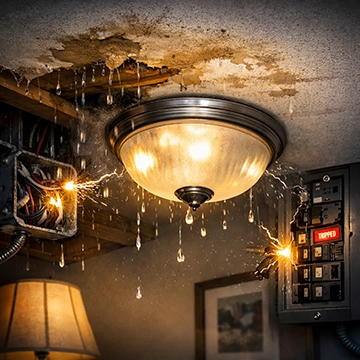
In some cases, roof leaks can impact light fixtures, ceiling fans, attic wiring, or ventilation equipment. While safety is the primary concern, damaged systems may also operate inefficiently or fail altogether. If attic fans or ventilation components stop working the way they should, heat and moisture can build up even faster, putting more pressure on your cooling system.
Signs a Roof Leak May Be Raising Your Bill
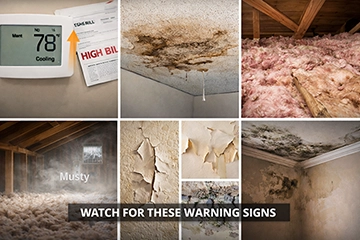
Not every roof leak is obvious. Some start small and cause hidden problems before you ever see a drip. If your electric bill has gone up unexpectedly, watch for these warning signs:
- Rising cooling or heating costs without a clear reason
- Water stains on ceilings or walls
- Musty odors in the attic or on the top story of multi-level homes
- Peeling paint or bubbling drywall
- Hot upstairs rooms that are difficult to cool
- Mold or mildew near the ceiling
- Damp insulation in the attic
If you notice any of these signs, it may be time to inspect both your roof and your home’s energy performance.
Why the Problem Gets Worse Over Time
A small leak can escalate into a much larger energy issue if ignored. The longer water sits in insulation, wood, and attic materials, the more damage it can cause. Over time, you may deal with:
- Reduced insulation performance
- Higher HVAC runtime
- Poor attic ventilation
- Mold growth
- Structural repairs
- Ongoing energy waste
Fixing the roof leak early can help prevent both home damage and unnecessary energy costs.
What Homeowners Should Do Next
If you suspect a roof leak is contributing to a high electric bill, start with a few practical steps:
Inspect for Water Damage
Check ceilings, attic spaces, insulation, and around vents or chimneys for signs of moisture.
Schedule a Roof Repair
A professional roofing inspection can identify where water is entering and help prevent further damage.
Check Your Insulation
If attic insulation has been soaked, it may need to be replaced to restore energy efficiency.
Monitor Your Energy Usage
Compare your current usage to previous months. If you are using more electricity than usual, hidden home issues may be to blame.
A roof leak does more than damage your home. It can reduce insulation performance, increase indoor humidity, and force your HVAC system to use more electricity. That means a roof leak can eventually show up as a higher electric bill.
If your energy costs have climbed without an obvious reason, it may be worth looking beyond your appliances and thermostat. Hidden moisture problems could be making your home less efficient than you think. At Pogo Energy, we believe Texans make better decisions when they understand what affects their energy use. From weather changes to hidden home maintenance issues, knowing the cause of a high bill is the first step toward lowering it.
More Energy Saving Tips