
Key Takeaways
- Older homes tend to be energy inefficient due to air leaks, inadequate insulation, drafty windows, and outdated systems.
- Effective ways to reduce electric costs include air sealing, upgrades to insulation, and installing efficient HVAC systems.
- Pogo Energy offers affordable electric rates that help customers save regardless of credit or rental history.
- Improving insulation and sealing air leaks are key steps in enhancing energy efficiency in older homes.
- Maintaining the charm of older homes while upgrading them for efficiency can lead to significant savings on energy bills.
These issues can also make it harder to implement energy efficiency upgrades.
The most effective ways to reduce electric costs in an older home include:
- Air sealing
- Adding attic and basement insulation
- Improving windows
- Upgrading to efficient heating, cooling, and water-heating equipment
The biggest opportunities to lower electric bills usually come from:
- Air sealing
- Insulation upgrades
- Efficient heating and cooling improvements
- Careful electrical modernization that preserves the home’s historic character
Pogo Energy helps customers save money on electricity by offering affordable electric rates regardless of:
- Credit history
- Rental history
- Ability to pay a deposit
The charm of older homes may be hiding energy inefficient features
Older homes, built from the late 1800s through the 1940s, have a lot of charm. Features like tall windows, solid woodwork, plaster walls, and unique historic details are hard to find today. However, this charm can come with hidden energy costs that increase your electric bill. Homes built before modern energy codes are often energy inefficient and considered a green energy nemesis. They often lose heat and cooling more quickly, put extra strain on older systems, and have electrical quirks that can make upgrades and efficiency improvements more challenging.
Here are the main reasons these homes can be more expensive to power, along with some steps you can take to address them.
Why older homes might be energy inefficient
Inefficient insulation, if insulation exists at all
Many homes built before the mid-20th century were constructed when insulation wasn’t standard. Even if some insulation was added later, it may be incomplete, settled, or installed in only a few areas.
Common problem spots:
- Attics: Often the biggest source of heat loss in winter and heat gain in summer.
- Exterior walls: Older wall cavities can be empty, inconsistently filled, or inaccessible without careful retrofits.
- Basements & crawlspaces: Unsealed rim joists and exposed floors can leak air like a sieve.
What this does to your bill: Your HVAC system (or window units, mini-splits, space heaters, etc.) has to run longer and more often to keep temperatures stable.
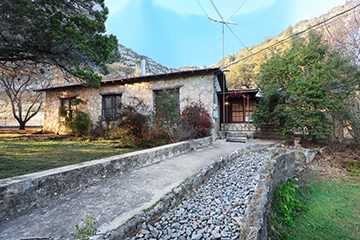
Older homes have developed small gaps that equal leaky construction
Older homes weren’t designed to be airtight. Over decades, small gaps form and widen as materials expand/contract, settle, and shift.
Typical air-leak culprits:
- Gaps around windows and door frames
- Unsealed penetrations (plumbing, wiring holes, chimney chases)
- Old attic hatches
- Drafty basements (especially at rim joists)
- Fireplaces and unused chimneys
What this does to your bill: You’re paying to heat or cool air that escapes, while outside air sneaks in.
Older homes weren’t designed to be airtight. Over decades, small gaps form and widen as materials expand/contract, settle, and shift.
Historical windows may be beautiful, but are often NOT energy efficient
Single-pane wood windows are a classic feature of older homes. However, they can also cause significant heating and cooling loss, especially if they are not sealed properly.
Extra factors that increase energy loss when your windows are not energy efficient:
- Loose sashes, worn weatherstripping.
- Missing or damaged glazing putty
- No storms (or poorly fitting storms)
What this does to your bill: More heat loss during the winter, more heat gain in summer, and more unintentional drafts year-round.
Aging materials used to build the home can increase energy usage
Even when a home was built well, time changes the performance of building materials.
Examples:
- Wood framing can shift and open gaps.
- Plaster and lath can crack (creating hidden air pathways)
- Older exterior siding systems may lack modern vapor/air barriers.
What this does to your bill: Hidden air movement and inconsistent thermal performance increase HVAC load and make comfort harder to maintain.
Outdated or energy-inefficient heating and cooling equipment
If an older home still has older equipment—or equipment that’s the wrong size—electric usage can climb quickly.
Common inefficiency patterns:
- Oversized HVAC systems short-cycle (turn on/off frequently), wasting energy and reducing comfort
- Electric baseboard heating can be expensive to run if the home is drafty or under-insulated
- Older window AC units often draw significantly more power than modern high-efficiency models
- Ductwork in unconditioned spaces (attics/crawlspaces) can leak heated/cooled air before it ever reaches you
Antique or old electrical wiring can limit efficiency upgrades
Older wiring does not always indicate higher electricity use, but it can make efficiency upgrades more difficult, risky, or expensive to complete. You don’t want your home to take you back to a time when electricity development and distribution were very different from what they are now. This is especially true if you want to electrify your home or add high-efficiency equipment.
You may run into:
- Knob-and-tube wiring (common in early 1900s builds)
- Cloth-insulated wiring
- Ungrounded circuits
- Undersized electrical panels (not enough capacity for modern loads)
- Older receptacles, fewer circuits, and a heavier reliance on power strips
How this affects your bill:
- You might delay upgrades like heat pumps, induction ranges, EV chargers, or modern insulation work if wiring needs to be corrected first.
- Some wiring types are incompatible with certain insulation methods, requiring alternative approaches.
Lighting and appliance inefficiencies add up
Older homes sometimes still have older fixtures, legacy light bulbs, or appliances that have been “hanging on” for years and are not Energy Star approved.
Common energy drains:
- Incandescent or halogen bulbs
- Older refrigerators/freezers in basements or garages
- Aging dehumidifiers (especially in older basements)
- Inefficient water heaters
- Always-on loads (old entertainment systems, chargers, smart devices without power management)
Moisture issues can increase electricity use
Older basements and crawlspaces can be damp, especially if they lack proper drainage, sealing, or ventilation. This often means your dehumidifier runs more often, adding a hidden, year-round electricity cost. Pay attention to humidity: higher humidity isn’t energy-efficient and will cost you.
Keep the character and lower electricity costs
You can make old homes much more efficient without losing their unique character. The main thing is to focus on upgrades that offer the best return and avoid creating moisture problems. Some insulation and sealing methods should be done carefully in historic buildings.
Actionable to-do list: upgrades that typically lower electric costs in older homes
Quick wins (low cost, high impact)
- Switch to LED lighting throughout the home (including outdoor and basement bulbs).
- Seal obvious drafts with weatherstripping and door sweeps on exterior doors.
- Use smart power strips for entertainment centers and office setups.
- Set a thermostat schedule (or install a smart thermostat if compatible).
- Replace HVAC filters regularly and keep vents/returns unobstructed.
Air sealing + insulation (often the biggest payoff)
- Airseal the attic floor (top plates, wiring holes, plumbing penetrations, attic hatch).
- Add/upgrade attic insulation to modern levels (after air sealing).
- Seal and insulate rim joists in basements/crawlspaces.
- Insulate exposed ducts and seal duct leaks, especially in unconditioned areas.
- Consider a home energy audit (blower door + thermal imaging) to find hidden leaks.
What electric rates and plans are offered by Payless Power?
- Add or repair storm windows (often a great efficiency upgrade without replacing original windows).
- Re-glaze and weatherstrip existing wood windows.
- Use cellular shades or insulating curtains for seasonal comfort.
HVAC and major equipment upgrades (big savings over time)
- If you’re upgrading your heating/cooling, consider a high-efficiency heat pump (properly sized) for significant electricity savings and improved comfort.
- Upgrade old window AC units to high-efficiency models or consider ductless mini-splits for targeted zones.
- Replace aging water heaters with a heat pump water heater when feasible.
- If humidity is a problem, choose an energy-efficient dehumidifier and address the source (sealing, drainage, vapor barriers).
Electrical safety and modernization (enables better efficiency)
- Have an electrician evaluate whether you have knob-and-tube, cloth wiring, or ungrounded circuits.
- Upgrade to a modern electrical panel if your home’s capacity is limiting the efficiency of your improvements.
- Add circuits in high-use areas to reduce reliance on extension cords and power strips.
Why do older homes use more electricity?
Older homes often use more electricity because they have more air leaks, less insulation, drafty windows, aging HVAC systems, and outdated electrical infrastructure, all of which can limit efficiency upgrades. The most effective ways to reduce electric costs in an older home are air sealing, attic and basement insulation, window improvements, and upgrading to efficient heating, cooling, and water-heating equipment.
Pogo Energy is in the business of saving you money on your electricity by offering affordable electric rates regardless of your credit, rental history, or ability to pay a deposit. Check your rates and see if Pogo can help you save money on your electricity.